Hard to believe the first month of the new year has come and gone. One-twelfth of the year is over. Have you set your big WOW goals for this year? Are you well on your way to meeting them or are you still working on setting up your vision?



Hard to believe the first month of the new year has come and gone. One-twelfth of the year is over. Have you set your big WOW goals for this year? Are you well on your way to meeting them or are you still working on setting up your vision?

66 days…that, my friends, is the magic number of days it takes to form a habit, so the experts say. If you have the discipline to make a change, chances are it will take a little over two months to add it to your routine. There are so many tasks we already do on auto-pilot: brush teeth, make coffee, walk the dog, check email. These are things that don’t get missed because they are ingrained in our minds, bodies and routines.

Your customers – and prospects – probably know less about your services than you think. The hard reality is that until they need a certain product or service, they may not bother to find out whether you do it (or sell it). Sometimes they just don’t think to ask. And when they’re ready, the first place they’ll look for an answer is probably your website.
On that Saturday night, I had been in downtown Ellicott City to show a guest from Slovenia, Karin, our quaint little town. My long-time friend Carol would be leading a Sierra Club trip in the fall to Slovenia, so I invited her along for an opportunity to talk to a native. It had been a beautiful summer day, with a slight chance of rain in the forecast. As we drove around Ellicott City, it started pouring; and as we looked for parking, it became torrential. Though we decided not to stay, I did swing by the office to put out the sandbags in front of the office door and that of our business neighbor — as I had done so many times for so many storms in the past 16 years. By the time I dragged out the sandbags and got back to the car, my feet were covered with water. As we tried to get to higher ground, many side roads were already closed.
One of our favorite tasks here at insight180 . . . . most of the time. Naming and rebranding in the wrong hands, however, can be detrimental, even disastrous. How can you be sure not to undermine the process and come up with a successful name for your advisory service business, nonprofit business or brand extension?

Who knew when we launched our new website in January of 2016 that the life preserver and hashtag #brandresuscitation would be so apropos?
If it is your job to differentiate and grow your business, you own a tall task—especially in this environment of information overload, when all of us are overwhelmed with new platforms, media channels and ways to get noticed.
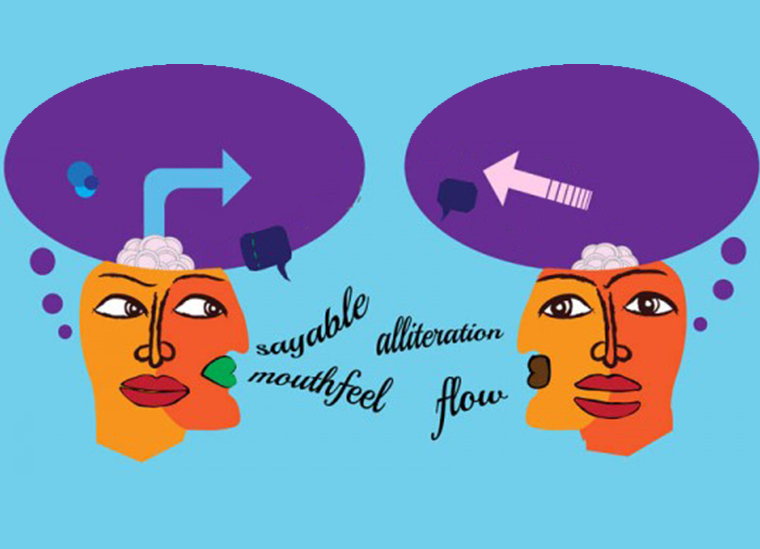
“Windowsill. . . . Piccadilly Circus. . . ” every time I see those words, I also hear them in my mind being said by the eccentric and endearing fairy godmother-like character (played by Estelle Winwood) from the 1955 movie, The Glass Slipper. She loses herself in the sound of saying and repeating some of her favorite words.

Why the fuss about the positioning statement?
In brand audits and workshops that we facilitate, much of our effort focuses on the positioning and reassurance statement. Why? Because this is what identifies your company (or program or service), conveys what you do, for whom, and how you help solve a need in a unique way. Oh yes, and this must be clear, concise and authentic.

We are inundated with marketing messages day in and day out; morning, noon and night someone is talking to or at us about something s/he want us to pay attention to.

I’m a people person. It’s through relationships and one-on-one communication that I feel I am most effective. So of course, one of my favorite parts of the creative branding process is the meeting with an organization’s CEO and key players during the discovery phase. Asking some important questions to key individuals reveals so much about the organization and helps determine the creative choices we will make during the rebranding process. Listening, learning, watching interactions, and observing the culture—all of these actions inform and inspire how we will develop strategic recommendations and ultimately, brand design and messaging.
