While ChatGPT can do many things, the most significant thing it cannot do is replicate the human experience. Here are five areas of expertise ChatGPT doesn’t quite have a handle on. Read more here.



While ChatGPT can do many things, the most significant thing it cannot do is replicate the human experience. Here are five areas of expertise ChatGPT doesn’t quite have a handle on. Read more here.


What if you could redesign your brand vision based around your ideal business? What would it look like? What value will you provide? Who would your best customers be? By starting with your brand vision, and then re-envisioning it, your true brand will show itself. Read more on our blog post.


Is Santa Claus in need of brand refresh? Whether you believe in Santa or not – and whether you buy into his whole naughty or nice routine – you have to admit, the man with the white beard in the red suit from the north pole is a really strong brand. Everyone knows who he is and what he stands for. His values and passions are clear to us. And they are consistent. Santa Claus is about the good in life. He is jolly, generous, hard-working, and giving. But has he been “played out?”

While giving as an individual is always rewarding, making charitable giving a part of your business’s brand culture can have an even bigger impact on the causes you believe in. Using your position and the platform of your organization to lift up causes and nonprofits you support is a great way to strengthen connections within your community and amongst your employees. In truth, the benefits of charitable giving as a business go far beyond the bottom line. Read on to find out more about the benefits of giving back.

When you make visitors and potential clients search on your website to find out what it is you do or how you can help them, you’re running the risk of losing them altogether. Unless you are a marketing-savvy emerging tech company touting a unique new service, you are probably coming off as one of many in a sea of sameness. How does your brand set you apart? How does your organization position itself? How do you express it? And why does this matter? Read on to find out why your brand positioning is weak and how you can fix it.

As a professional, growth often comes with experience in the field, mentor feedback, and educational opportunities. And, while we may experience bouts of discomfort along the way, most of what we do remains familiar and comfortable to our skill sets. It’s when we take a chance and step out of our comfort zone that the opportunity to grow and learn presents itself.
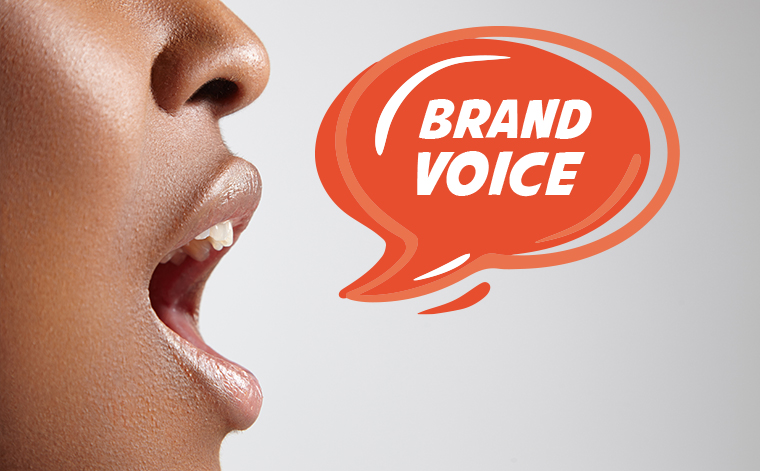
Think about an engaging character from a television show or movie. What about them is memorable for you? Is it the way they hold their own during a conflict or how they talk (and laugh) just like you do when you’re hanging with your best friends? Is their sarcastic wit comforting and familiar or does it trigger a response of unease? When we immerse ourselves in entertainment, we come to feel like we know the characters as if they were real people in our lives. The same can be true of the brands we love.

I was recently asked why defining core values is important to an organization, and more specifically, how they influence a brand. I would counter, what’s the purpose in existing as an organization if core values aren’t driving it? While profitability and stakeholder responsibilities are what keep the lights on for any company, core values are what support the vision, define company culture and help align an organization and the people who work there.

I recently had the opportunity to lead a branding discussion at the Maryland Innovation Center and, amongst all of the great questions, one in particular stood out to me and my team, “What’s the story behind your name, insight180?” Honestly, I love it when people ask about our name. It gives us an opportunity to elaborate on who we are, how we’ve evolved, and who we’re becoming. It helps us tell our unique story, something we really appreciate in a good brand name. A good name can do many things: evoke an emotion (like trust or confidence); relay a purpose; create some fun and elicit curiosity. Still, other brand names may be less than inspiring but too established to change (like GEICO – what the heck does that even mean?).

Building a successful brand – like the business it represents – is not unlike training for a race. It’s more of a marathon than a sprint. You’re not going to break out of the gate at top speed. Instead, you’ll build a steady, sustainable pace that gets you closer and closer to that finish line so that when the time comes, you can finish strong.


Years ago, I bought a new-to-me car. When we arrived at the dealer to pick it up, they were ready. The car was spotless. Workers gave balloons to our young sons and shook hands with my husband and me. A few days later, we received a “Welcome to the Family” card in the mail, congratulating us on our auto selection and inviting us to join the fan club – complete with a tin of cookies! Surely, there could be no doubt that we made a smart purchasing decision.

Your website looks great. You’ve spent a lot of time, energy, and resources to develop a wonderful, purpose-driven business that is making a positive impact in the world. You have a track record of helping those that you serve. You’ve developed a beautiful product. You’re ready to go. But when it comes to reaching out to your network, you freeze. What’s happening here?
