
As you enjoy your summer reading list…
I’d like to suggest you make time for a little writing as well. There are three types of company stories that can help propel your business to the next level in the mind of your customer:



I’d like to suggest you make time for a little writing as well. There are three types of company stories that can help propel your business to the next level in the mind of your customer:

I recently had the privilege of being part of a panel at the Maryland Center for Entrepreneurship’s Speaker Series to discuss marketing for emerging companies. We had some great questions and input from participants, which always makes it more interesting for everyone. Most concurred that as technology changes and it becomes more important to be connected and keyed in to what’s going on, basic branding building blocks still apply. As a startup, it’s very important to invest in your initial branding.


Last weekend I was out running my usual Sunday errands and one of my stops was the grocery store. I had my list ready and was ready to start shopping but when I walked through the door they were handing out coupons for 50% off toilet paper. Now, I normally stick to my list and get in and out, but the coupon seemed too good to pass up. So I added toilet paper to my list. When I got to the aisle and found the toilet paper, I stopped and sort of just stood there. There were so many options, how do I make a decision? This isn’t normally where I buy that kind of stuff so it all seemed really overwhelming.


When you think of a meaningful brand you might envision an organization that is philanthropic, transparent, socially and ethically responsible. While these are all pieces of what it means to be a meaningful brand, the relationship between the audience and brands are changing and in a nutshell, it means brands need to work a lot harder to be meaningful to their audiences. In order to beat the competition, a brand’s products or services not only must meet their customers’ needs, they also need to appeal to the things that their audience cares about and can implement into their daily lives.

Just the term “customer retention strategy” sounds intimidating and complicated. But it doesn’t have to be.
Just the term “customer retention strategy” sounds intimidating and complicated. But it doesn’t have to be.

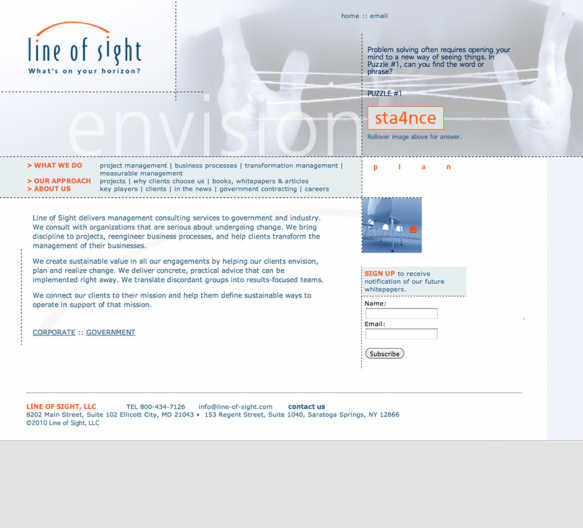
Take a good, hard look at your website. Compare it to some of your competitors, or some sites with similar goals.

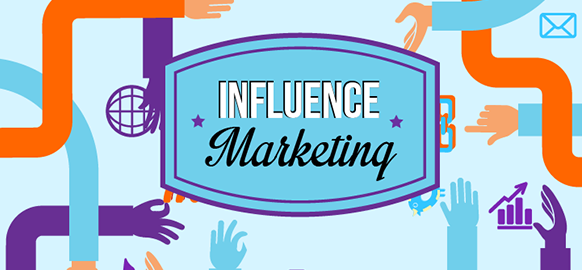
Although a potentially “hot topic” in content marketing, Influence marketing has been around since the days of greek curators and royal or celebrity endorsements of soaps and beverages in the late 1800’s. Today, we’d defind Influence Marketing as the act of engaging with current and potential leaders in your industry in order to gain ranks as a leader yourself, to increase meaningful activity on social media platforms, as well as to build your digital (and face-to-face) community of brand advocates.

You can get whiplash from following web technology recommendations these days. So, let me try to simplify it a little.

Insight180 has been in business for almost 15 years, and during that time we’ve worked with so many different kinds of clients. From startups, restaurants, brewers, retailers and solopreneurs to large membership organizations, public-private partnerships, Fortune 500 companies and international nonprofits, we have been very fortunate to work with some truly great ones. Lately we’ve been focusing on advisory firms in the business-to-business arena, or those who sell the “invisible” — a complex service, consulting, program or idea.

You can get whiplash from following web technology recommendations these days. So, let me try to simplify it a little.
